
Soorasamharam 2026: Date and the Story
Ramakrishnan S · 5 November 2026 · 15 min read
Updated: 5 November 2026
Quick answer: Soorasamharam marks Murugan's defeat of the demon Surapadman, on the last of the six days of Skanda Sashti. In 2026 two Hindu-calendar websites, Drik Panchang and Dharmayana, both give Sunday, 15 November. In the Tamil Kanda Puranam, Surapadman's two body halves become a rooster and a peacock.
Contents
Key facts
| Fact | Detail | Source |
|---|---|---|
| What is Soorasamharam? | The observance marking Murugan's defeat of the demon Surapadman, held on the last of the six days of Skanda (Kanda) Sashti | Wikipedia: Surasamharam; Dharmayana |
| When is Soorasamharam in 2026? | Sunday, 15 November 2026, per Drik Panchang (New Delhi) and Dharmayana (Ujjain); both are calendars, and the temple's own 2026 notice was not found | Drik Panchang; Dharmayana |
| When does the 2026 festival begin? | Tuesday, 10 November 2026, when the Kanda Shasti vratam begins, per Drik Panchang | Drik Panchang |
| When is the wedding, Thiru Kalyanam? | The next day after Soorasamharam, per Drik Panchang and Dharmayana | Drik Panchang; Dharmayana |
| Which text tells the story? | The Kanda Puranam, Yuddha Kandam, chapter 13, the Surapanman Vadhai Padalam; the English here is our reading of the Tamil | shaivam.org: Kanda Puranam |
| What form does Surapadman take? | In the middle of the sea, as a mango tree, in the Tamil chapter (verses 467 to 468) | Kanda Puranam, Surapanman Vadhai Padalam 467 to 468 |
| What does the vel do? | Strikes the mango form (verse 487); after Surapadman returns to his own form, tears open his chest and splits his body in two (verse 490) | Kanda Puranam, Surapanman Vadhai Padalam 487 to 490 |
| Where do the rooster and peacock come from? | The two halves of Surapadman's body become a rooster and a peacock (verse 492); the rooster becomes the flag on Murugan's chariot (497 to 498) and Murugan rides the peacock (499, 503) | Kanda Puranam, Surapanman Vadhai Padalam 492 to 503; Wikipedia: Surasamharam |
| What does the Tiruchendur temple page say? | It is the second Arupadai veedu, on a shore the page calls the Bay of Bengal (Wikipedia says the Laccadive Sea), and Murugan "vanquishes Evil in the forms of Surapathma"; the page does not mention the peacock or rooster | Tiruchendur HR&CE temple website |
| How old is the Kanda Puranam? | Sources disagree: about 1,100 years ago (murugan.org), the 14th century (lordmurugan.in), the 17th century (Wikipedia) | murugan.org; lordmurugan.in; Wikipedia |
| Is there a Siva Comics series about Murugan? | No; the series pages we read do not mention him, and the link to our comics is ours | sivacomics.com series pages |
What is Soorasamharam?
Soorasamharam is the Hindu observance that marks the defeat of the demon Surapadman by the god Murugan, held on the last of the six days of the Skanda Sashti (also spelled Kanda Sashti) festival.
Wikipedia glosses the name as "killing of Sura", and says the observance ends the six-day Shashthi Vrata, which it also calls the Kanda Shasti festivities. Drik Panchang, a Hindu-calendar website, says devotees observe six days of fasting during Kanda Sashti, calls Skanda Sashti "the most important festival dedicated to Lord Murugan" and says it "is observed mainly by Tamil Hindus". Wikipedia calls the same god Kartikeya on its Surasamharam page.
When is Soorasamharam in 2026?
Soorasamharam falls on Sunday, 15 November 2026, according to two separate Hindu-calendar websites, Drik Panchang and Dharmayana.
Drik Panchang, set to New Delhi, gives Skanda Shashthi on Sunday, 15 November 2026, and says the Kanda Shasti vratam, the six days of fasting it describes, begins on Tuesday, 10 November. Dharmayana (times for Ujjain) also gives Sunday, 15 November 2026. Drik says Thiru Kalyanam, the wedding of Murugan, is observed the next day.
Both pages are calendars, not the temple. The Tiruchendur temple website, which we read on 31 October 2026, is run by the Tamil Nadu HR&CE department (Hindu Religious and Charitable Endowments Department, as Wikipedia spells it out). It gave no 2026 festival dates on the page we read, and we found no dated news report yet. The sources also name the month differently: Drik says the festival falls in "Karthika Masam", Dharmayana says Aippasi (October to November), and Wikipedia says the month of Ashvin (Aipasi in the Tamil calendar).
Read free: Kabadapuram. A man sealed inside a temple escapes with the help of a talking severed head and crosses the dried-up sea. Read Episode 1 free →
What is the story behind Soorasamharam?
In Wikipedia's summary of the Tamil Kanda Puranam, the demon Surapadman and his asura brothers win a boon from Shiva that only Shiva's son can kill them, oppress the devas (celestial beings), and Murugan is born to lead the war against them.
Wikipedia says Shiva gave the asura brothers Surapadman, Simhamukhan and Tarakasuran various weapons and a wish by which they "could only be killed by the son of Shiva". After the devas pleaded with Shiva, Murugan was born, was given the divine spear called the vel, and was appointed commander of the devas. Wikipedia says Murugan killed Tarakasura and Simhamukha and "faced off with Surapadma in the final battle in Tiruchendur".
How does Murugan defeat Surapadman in the Kanda Puranam?
In the Kanda Puranam chapter titled the killing of Surapadman (Surapanman Vadhai Padalam), Murugan sends his vel and Surapadman takes the form of a mango tree in the sea. The vel cuts the tree down, Surapadman returns to his own form, and the vel then tears his chest and splits his body in two, but a boon keeps him from dying. This is chapter 13 of the Yuddha Kandam (book 4) of Kachiyappa Sivachariyar's Tamil poem, as printed on shaivam.org.
We could not open an English translation of this chapter, so the English is our reading of the Tamil.
Verse 464: Murugan looks at the vel in his hand and tells it to split Surapadman's body and go ("இங்கிவன் ஆகம் போழ்ந்தே ஏகுதி").
Verses 467 and 468: Surapadman goes into the middle of the sea ("தொடுகடல் நடுவண் ஆனான்") and takes the form of a mango tree ("சூதமாய் அவுணன் நின்றான்").
Verses 487 to 489: the vel strikes the mango form ("ஆமிர வடிவாய்"), and verse 488 says he falls, cut, but does not die because of an old boon ("மேலைநாள் வரத்தின்"). When the tree falls ("மாவுருச் சாய்த லோடும்"), Surapadman takes up his own form and draws a sword.
Verse 490: the vel tears open his chest and makes his body two parts ("அங்கம திருகூ றாக்கி").
Verses 491 and 492: the vel returns to Murugan's hand. The verse says a boon from the Supreme means Surapadman is not destroyed ("தற்பரன் வரத்தால் வீடா"). He rises, and his two body halves become a rooster and a peacock ("சேவலும் மயிலு மாகிச்") that come angrily at Murugan to fight.
Verses 495 and 496: when Surapadman comes before Murugan as the birds, Murugan's gracious look takes away his hostility ("இகலை நீங்கி"), and the poet says the son of Maya was saved by boundless grace ("வரம்பிலா அருள்பெற் றுய்ந்தான்"), our reading of the Tamil.
Wikipedia's two pages differ on what the vel splits. Its Surasamharam page says Murugan used the vel "to split Surapadma", and its Tiruchendur page says he "used his vel to split the tree in half". The Tamil verses have the vel cut down the tree first and split Surapadman's body only after he returns to his own form (verses 487 to 490). So the Surasamharam page's short version fits the Tamil, and the Tiruchendur page's "split the tree in half" does not. The sources also differ on whether he dies. The chapter's title means killing, the editor's footnote says he died ("மடிந்தான்"), and both Wikipedia pages say he was killed, but verses 488 and 492 say a boon keeps him from dying and verse 496 says he was saved by grace (our reading of the Tamil).
Why does Murugan have a peacock and a rooster?
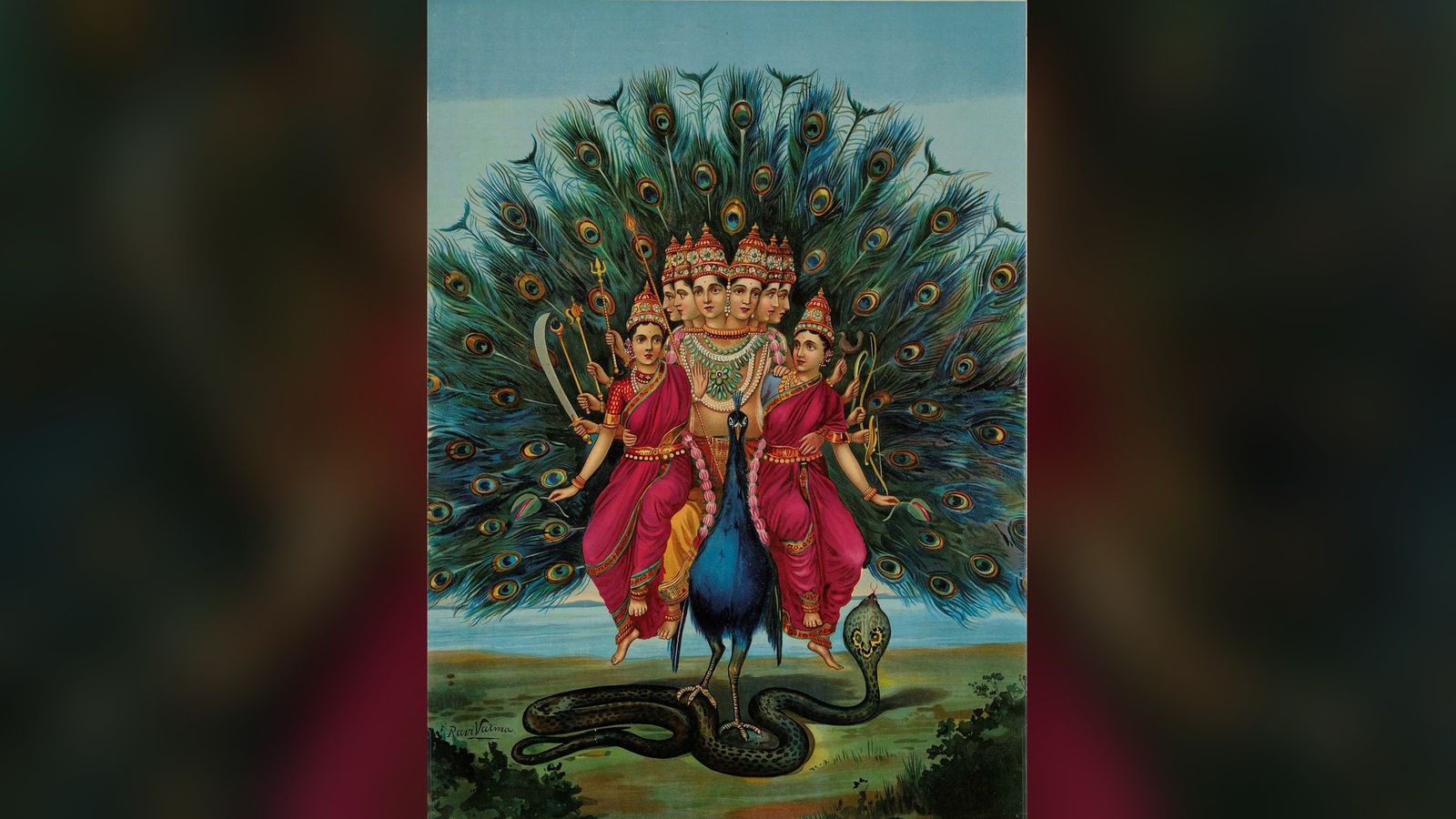
In the Kanda Puranam chapter, Surapadman's two body halves become a rooster and a peacock. The rooster becomes the flag on Murugan's chariot, and Murugan rides the peacock (verses 492 to 503).
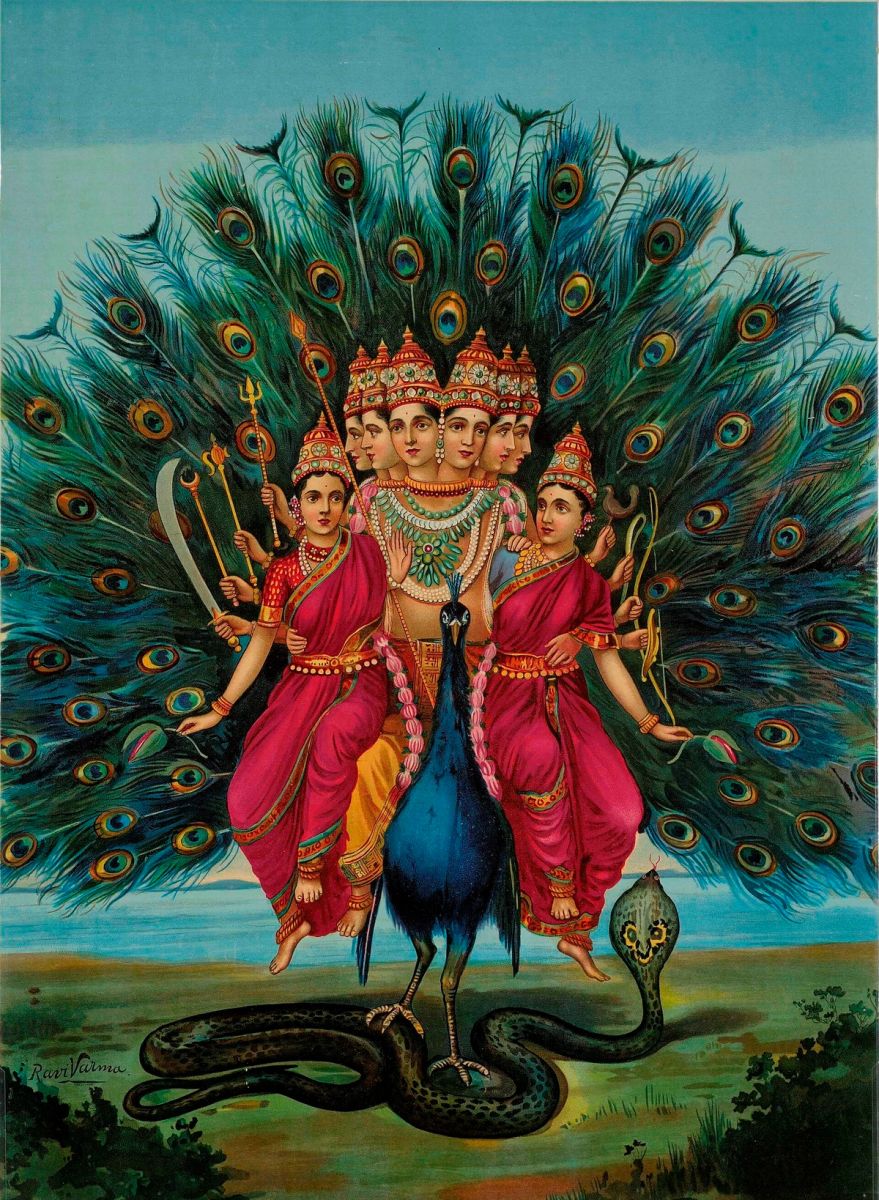
In verse 494 Surapadman comes before Murugan as the rooster and the peacock ("தாட்படை மயூர மாகித்"; our reading of the Tamil). In verse 497 Murugan tells the rooster form to become the flag on his chariot ("கொடியே ஆகி"). In verse 499 Murugan leaves the seat of his old mount ("ஊர்தியின் இருக்கை நீங்கி"), climbs the peacock and tells it to carry him ("சுமக்குதி எம்மை என்னாப்"), and in verse 503 he rides it ("மயிலிடை வைகி ஊர்ந்தான்"). All English renderings of the Tamil here are our reading.
So the peacock and the rooster are in the Tamil poem itself, not only in temple tradition. Wikipedia's Surasamharam page tells the same ending: Murugan "took the peacock as his vahana and the rooster as his pennant". Vahana here means the mount he rides, and a pennant is a flag.
Why is Soorasamharam celebrated at Tiruchendur?
Tiruchendur, a seashore Murugan temple in Thoothukudi district, is closely tied to Soorasamharam: the Tamil Nadu HR&CE department's page for it says Murugan "vanquishes Evil in the forms of Surapathma" and that Tamils celebrate this every year in the Skanda Shasti festival.
The same page calls the temple "the Second place of Arupadai veedu". Arupadai veedu means the six abodes of Murugan, and Wikipedia's Tiruchendur page calls the temple "one of the Six Abodes of Murugan". The page says the temple is "believed to be 2000-3000 years old" and "Mentioned in the Sangha literature and Silapathikaram". It adds: "After conquering Soorapadman, Lord Muruga performed Shiva Puja", and the same shaivam.org page has Murugan worship Shiva in the Meetchi Padalam (verses 31 to 33). The page places the temple on the "shore of Bay of Bengal", while Wikipedia says it stands "on the shores of the Laccadive Sea".
Chapter 13 itself does not name Tiruchendur, and an editor's footnote on that page places the ten days of fighting at Mahendrapuri, Surapadman's city across the sea. But in the Meetchi Padalam (chapter 16), printed on the same shaivam.org page, Murugan crosses back over the sea from Mahendra and comes down from his peacock at Senthi ("சீருடைச்செந்தியில்" and "மஞ்ஞைநின் றிழிந்தனன்", verse 18; our reading of the Tamil). We found no opened source that equates Senthi with Tiruchendur, so that link is ours. So in the poem the battle is at Mahendrapuri and Tiruchendur may be where Murugan returns, while Wikipedia places the final battle in Tiruchendur.
What happens on Soorasamharam day?
On Soorasamharam day, temples stage a re-enactment of the victory, and, Wikipedia says, the festival closes with the wedding ceremony of Murugan and Devasena, which Drik and Dharmayana place on the next day.
Wikipedia says the enactment uses large figures of Surapadman and the other asuras, with "some reaching up to 15 ft", which are "symbolically attacked by the idol of Kartikeya" holding the vel. Dharmayana says it is "re-enacted on stage at Tiruchendur every Aippasi".
The festival has six days, but the footnote on the Tamil chapter counts a ten-day war, with the end of Surapadman in days seven to ten ("ஏழா நாள்முதல் பத்தா நாள்வரை சூரபன்மன் வதை நிகழ்ச்சி ஆகும்"; our reading). Dharmayana says the six days of the vratam "mirror the six days of battle", so the calendar's count and the footnote's count disagree, and we found no source that explains the difference.
Which text tells the Soorasamharam story, and how old is it?
The story is told in the Kanda Puranam, a Tamil poem by Kachiyappa Sivachariyar of Kanchipuram that murugan.org calls the "Tamil version of the Sanskrit epic" Skanda Purana, and the sources we read disagree on its date.
murugan.org says Kachiyappa Sivachariyar "lived at Kanjeevaram approximately 1,100 years ago". The devotional website lordmurugan.in says the poem was "composed in the 14th century CE" at the Ekambareswarar Temple in Kanchipuram. Both of Wikipedia's pages call it a "seventeenth-century CE text".
Is Soorasamharam about Surapadman or Tarakasura?
Soorasamharam is about Surapadman, not Tarakasura: Dharmayana says Skanda Sashti "marks the sixth and final day of Murugan's war on the demon Surapadman", and adds "not Tarakasura".
The English translation of the Skanda Purana on wisdomlib has a chapter titled "Tāraka is Slain" (Kedāra-khaṇḍa, chapter 30). In its verse 39, Kārttikeya cuts off the head of Tāraka with his Śakti. We did not open any Sanskrit chapter on Surapadma.
Is there a Siva Comics series about Murugan?
No Siva Comics series features Murugan or Soorasamharam, and the link to our comics is ours. We read the series pages for Kabadapuram, Paanjajanyam, Kadarpaalam and Isai on 31 October 2026, and none mentions Murugan, Skanda or Soorasamharam.
Kabadapuram's series page describes a man who reaches Kabadapuram, "the city the ocean once swallowed". Browse the Mythology comics or read Episode 1 of Kabadapuram free.
Common questions
What is Soorasamharam?
Soorasamharam is the Hindu observance that marks Murugan's defeat of the demon Surapadman. It is held on the last of the six days of the Skanda (Kanda) Sashti festival, and Wikipedia says it ends the six-day Shashthi Vrata.
When is Soorasamharam in 2026?
Soorasamharam is on Sunday, 15 November 2026, according to Drik Panchang (set to New Delhi) and Dharmayana (times for Ujjain). Both are calendar websites; the Tiruchendur temple's own page did not list 2026 dates when we read it on 31 October 2026, so confirm with the temple.
What is the story of Soorasamharam?
In Wikipedia's summary of the Tamil Kanda Puranam, Surapadman and his asura brothers win a boon from Shiva that only Shiva's son can kill them, and they oppress the devas. Murugan is born, becomes commander of the devas and faces Surapadman in the final battle.
How did Murugan defeat Surapadman?
In the Kanda Puranam's Surapanman Vadhai Padalam (our reading of the Tamil), Murugan sends his vel and Surapadman takes the form of a mango tree in the sea. The vel cuts the tree down, Surapadman returns to his own form and draws a sword, and the vel then splits his body in two. A boon keeps him from dying, his two halves become a rooster and a peacock, and Murugan's grace ends his hostility.
Why does Murugan have a peacock and a rooster?
In the Kanda Puranam chapter (verses 492 to 503, our reading of the Tamil), the two halves of Surapadman's body become a rooster and a peacock. Murugan makes the rooster the flag on his chariot and rides the peacock. Wikipedia tells the same ending, but the Tiruchendur temple page we read does not mention it.
Where is Soorasamharam celebrated?
Wikipedia says Soorasamharam is a major festival at Tiruchendur and at the Palani temple, and is also observed in Palakkad district in Kerala and parts of Sri Lanka. Drik Panchang says the Kanda Sashti celebrations at Tiruchendur are the most famous one.
How many days is Skanda Sashti?
Skanda Sashti has six days of celebrations ending on Soorasamharam day, according to Drik Panchang and Wikipedia. For 2026 Drik gives Tuesday, 10 November as the day the vratam begins and Sunday, 15 November as Soorasamharam.
Who wrote the Kanda Puranam and when?
The Kanda Puranam is credited to Kachiyappa Sivachariyar of Kanchipuram and is a Tamil version of the Sanskrit Skanda Purana, according to murugan.org. Its date is disputed in the sources we read: about 1,100 years ago (murugan.org), the 14th century (lordmurugan.in) and the 17th century (Wikipedia).
Is Soorasamharam about Surapadman or Tarakasura?
Soorasamharam is about Surapadman, not Tarakasura, according to Dharmayana. In the Skanda Purana translation on wisdomlib (Kedāra-khaṇḍa, chapter 30), Kārttikeya cuts off the head of Tāraka, and we found no mention of Surapadma on that page.
Is there a Siva Comics story about Murugan or Soorasamharam?
No Siva Comics series features Murugan or Soorasamharam: the four series pages we read on 31 October 2026 do not mention them. The link is ours. Kabadapuram, a Tamil mythology series, has a free Episode 1.
In the comic
No Siva Comics series features Murugan or Soorasamharam, and the link is ours. For Tamil mythology comics, start with Kabadapuram, whose series page describes a man who reaches "the city the ocean once swallowed". Read Kabadapuram, Episode 1 →
Sources
2026 Soorasamharam, Drik Panchang: the 2026 date (15 November, New Delhi), the vratam start, the next-day wedding and the Tiruchendur remark
Skanda Sashti 2026 Date, Dharmayana: the 2026 date (Ujjain times), the Tiruchendur re-enactment and the "not Tarakasura" remark
Subramanya Swamy Temple, Tiruchendur (official website), HR&CE Department, Government of Tamil Nadu: what the temple says about Surapathma, the Arupadai veedu, its age and the Shiva Puja
Surasamharam, Wikipedia: the name, the six-day vrata, the peacock and rooster ending, and festival practices
Subramaniya Swamy Temple, Tiruchendur, Wikipedia: the mango tree, the final battle in Tiruchendur, and the Kanda Puranam summary
Kandapuranam: Yuddha Kandam, Surapanman Vadhai Padalam (Tamil text), shaivam.org: the verses on the vel, the mango tree, the split body, the rooster and the peacock, and the editor's footnote on days
The Skanda Purana, Chapter 30: Tāraka is Slain, wisdomlib.org: Kārttikeya cutting off Tāraka's head (Kedāra-khaṇḍa)
Kachiyappa Sivachariyar, murugan.org: the Kanda Puranam as the Tamil version of the Skanda Purana, and an age of about 1,100 years
Kandha Puranam, lordmurugan.in: a 14th-century date and the Ekambareswarar Temple (a devotional website)
Mythology, sivacomics.com: the series shown on the Mythology page, read 31 October 2026
Kabadapuram, sivacomics.com: the series page and its description, read 31 October 2026
Paanjajanyam, sivacomics.com: the series page, read 31 October 2026; it does not mention Murugan
Kadarpaalam, sivacomics.com: the series page, read 31 October 2026; it does not mention Murugan
ISAI, sivacomics.com: the series page, read 31 October 2026; it does not mention Murugan
Cite this page: Ramakrishnan S. "Soorasamharam 2026: Date and the Story." Siva Comics, 5 November 2026. https://www.sivacomics.com/insider/soorasamharam
You just read the story. Now read the comics. Episode 1 of every series is free. A free account unlocks the rest and keeps your place. Start reading free → · Browse all series
Read the comics
Kabadapuram
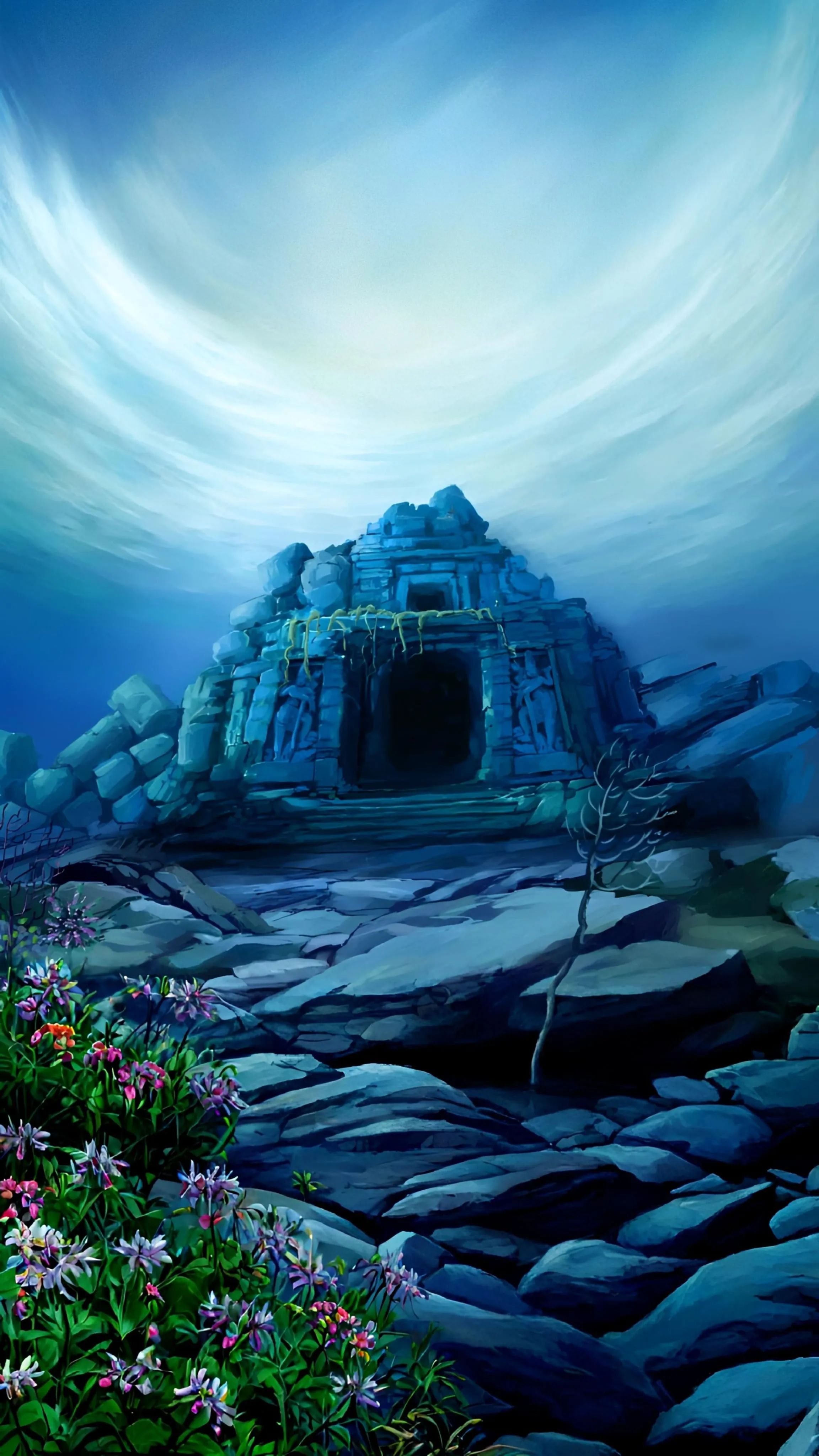
When the doors of the Kumari Amman temple are sealed shut, a man trapped inside escapes with the help of a talking severed head. Crossing the dried-up sea, he is stunned by unbelievable wonders and reaches Kabadapuram — the city the ocean once swallowed. There he witnesses the strange feats of a siddha and sees a man who looks just like himself. On the shore of Kabadapuram, crumbling under tidal waves and volcanic eruptions, that double flees with the woman he loves. Did those who escaped survive — or were they caught in the deluge?
Paanjajanyam
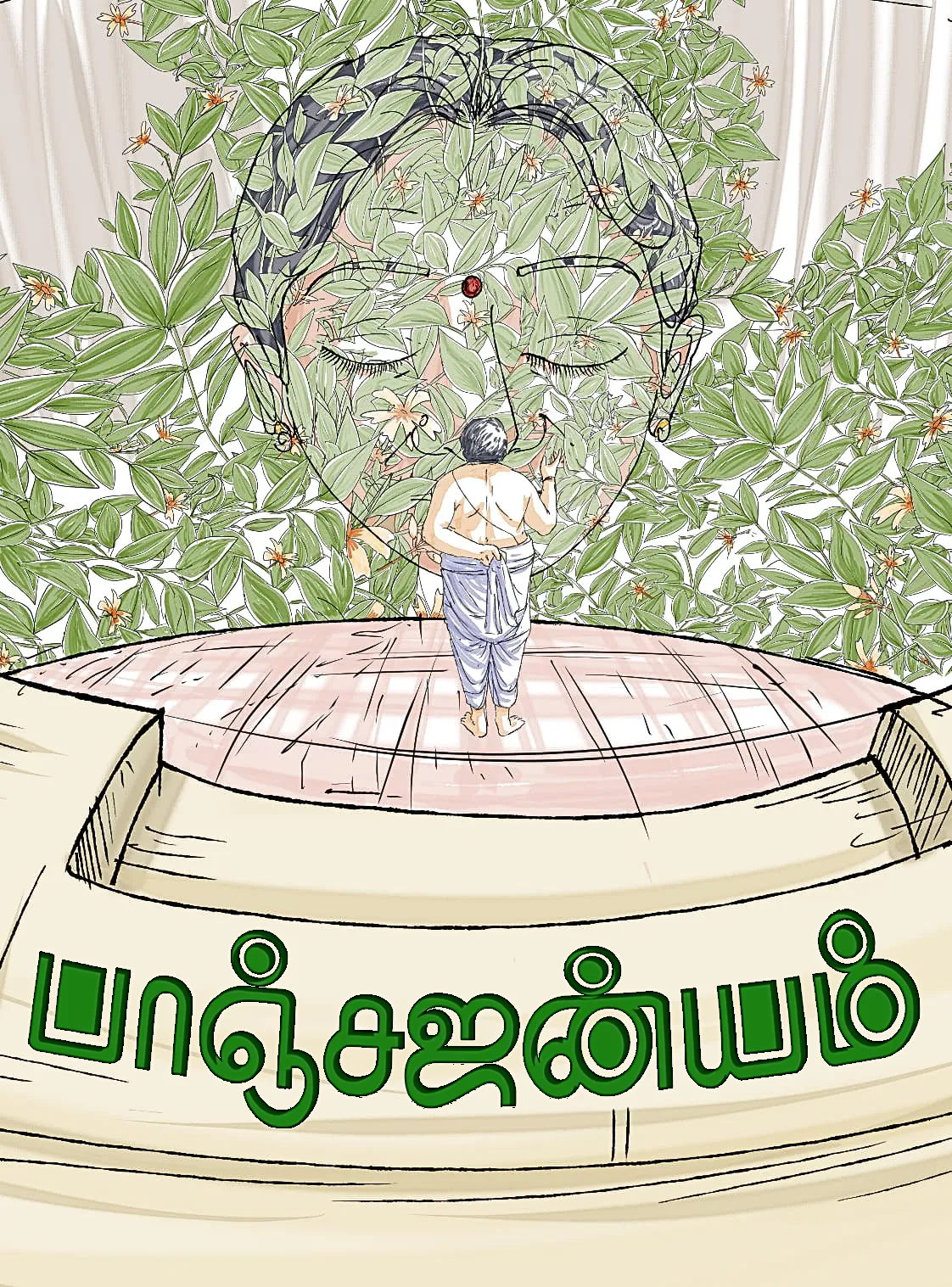
After a spell of rain, snails appear from nowhere and multiply. For his deaf father — who insists their sound is the longing voice of his late wife — a son who studied acoustics sets out to find the cause. How Vaishnava hymns, Jagadish Chandra Bose, plants and snails are all bound together in the form of sound — that is Paanjajanyam.